

Spring in West Sussex: Tulip Festivals, Coastal Paths, Bluebell Walks & the Best New Foodie Finds Near Littlehampton

Discover the best things to do in West Sussex this spring. The Arundel Castle Tulip Festival, secret bluebell walks, the King Charles III coastal path, new foodie finds and boutique stays at East Beach Guest House, Littlehampton.There is a particular kind of morning in early spring. The light arrives differently, something loosens in the air. It is a feeling that only a few places in England do really well. West Sussex is one of them.

If you’ve been waiting for a reason to escape, consider this your sign. The countryside is waking up. The South Downs are turning green. And this spring, something genuinely exciting is unfolding across this corner of England, from a historic royal walk along the world’s new longest coastal path, to secret bluebell woods, a brand-new foodie destination opening in a South Downs village, and a town that is quietly, confidently, reinventing itself.

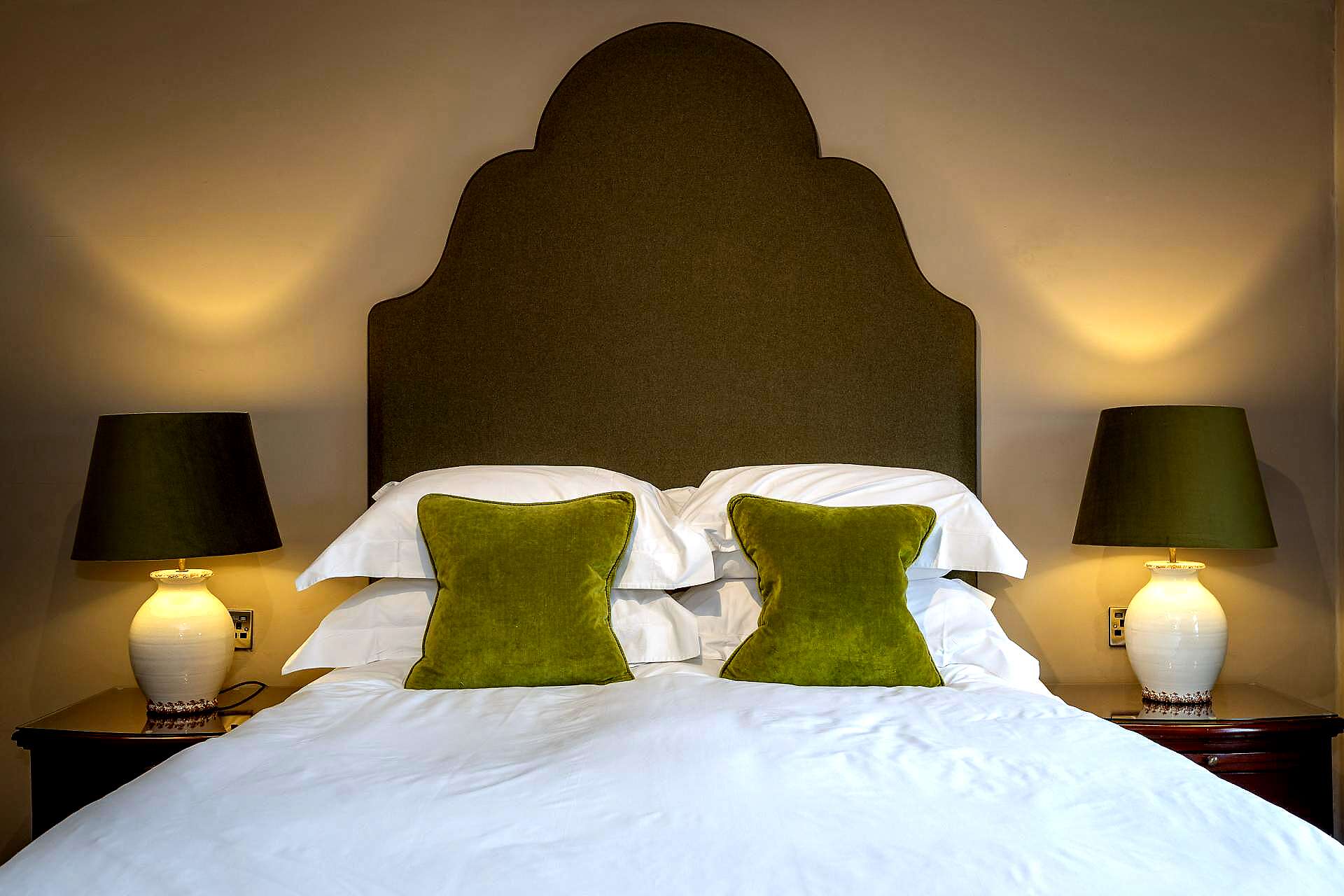
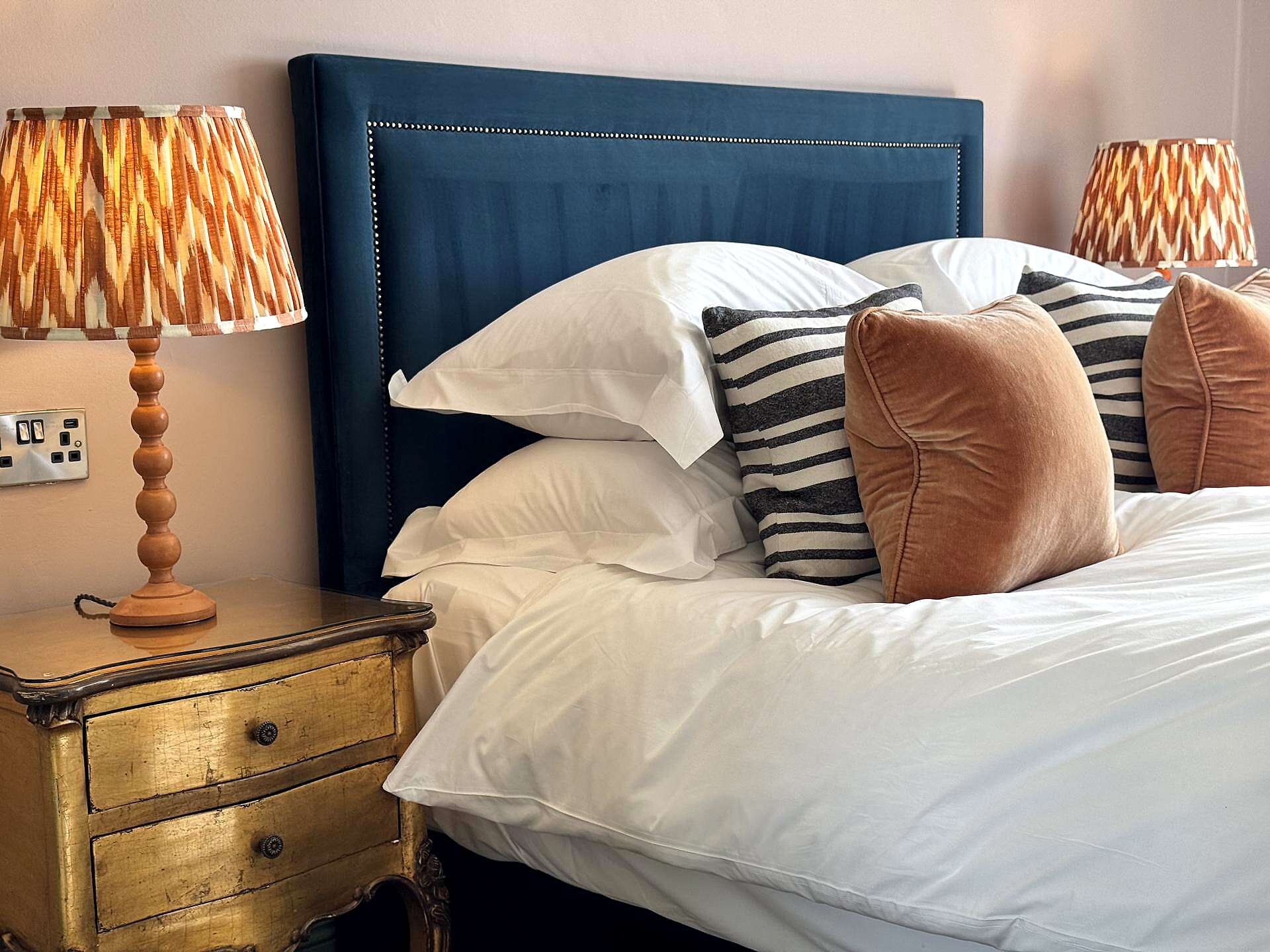
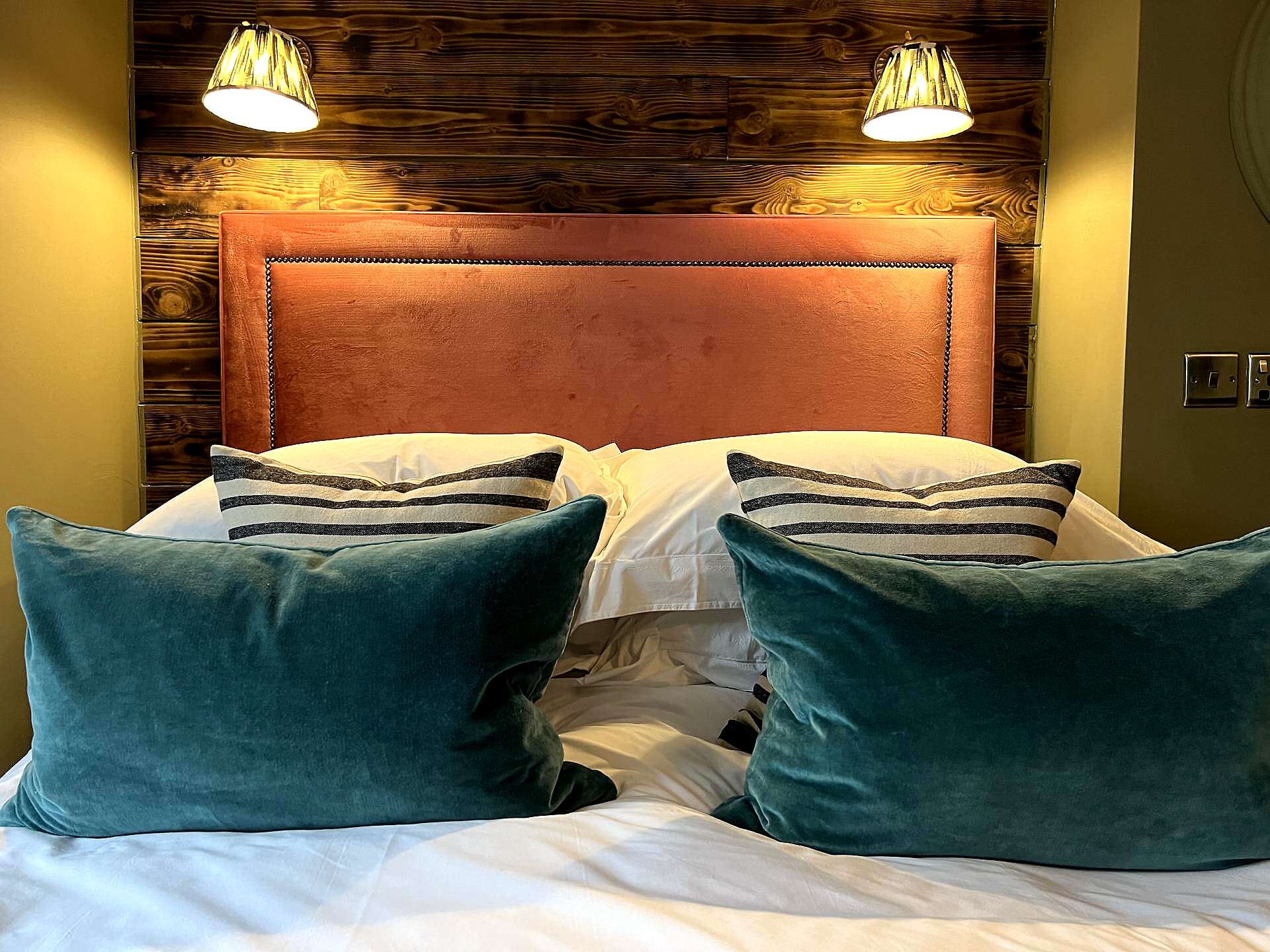
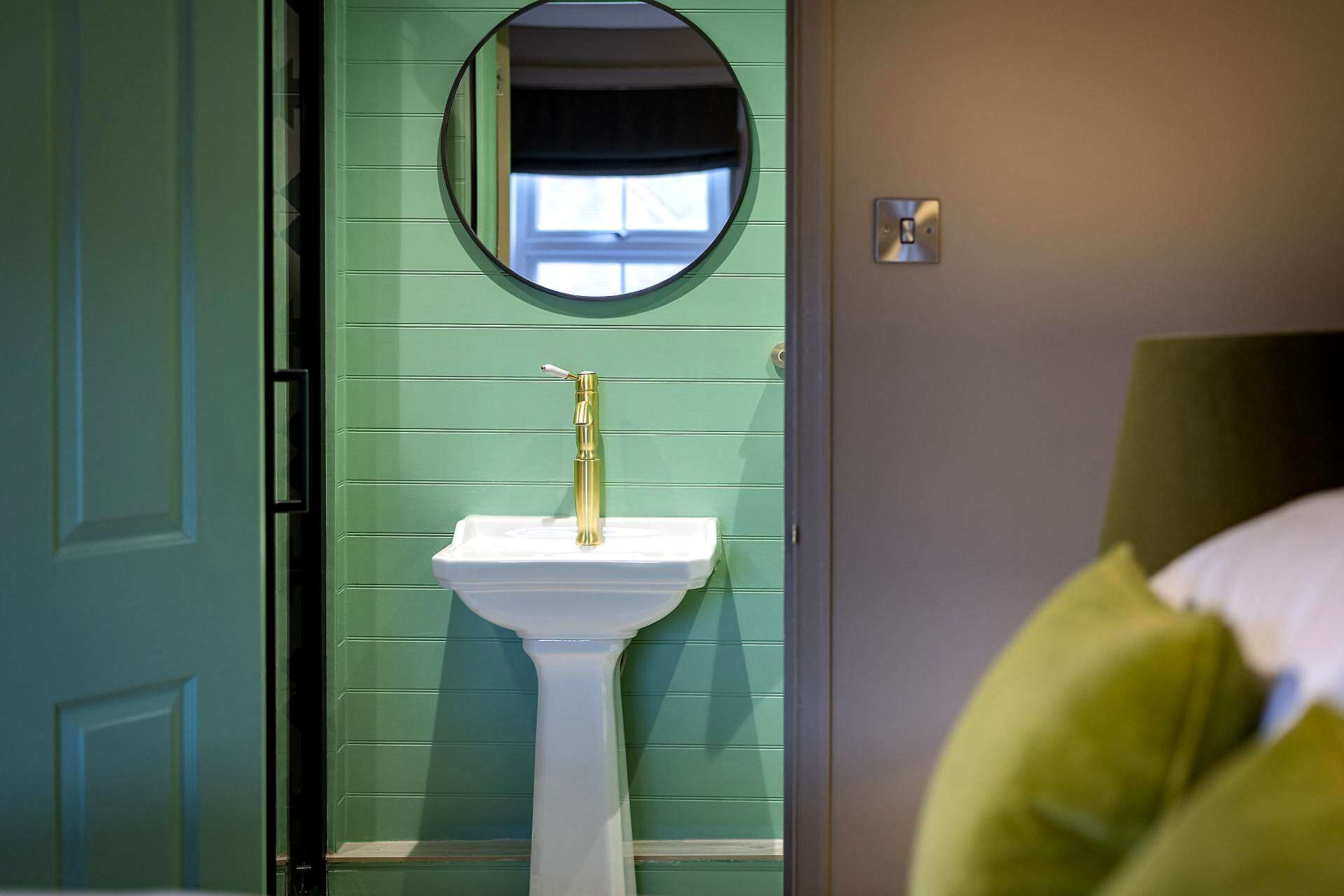
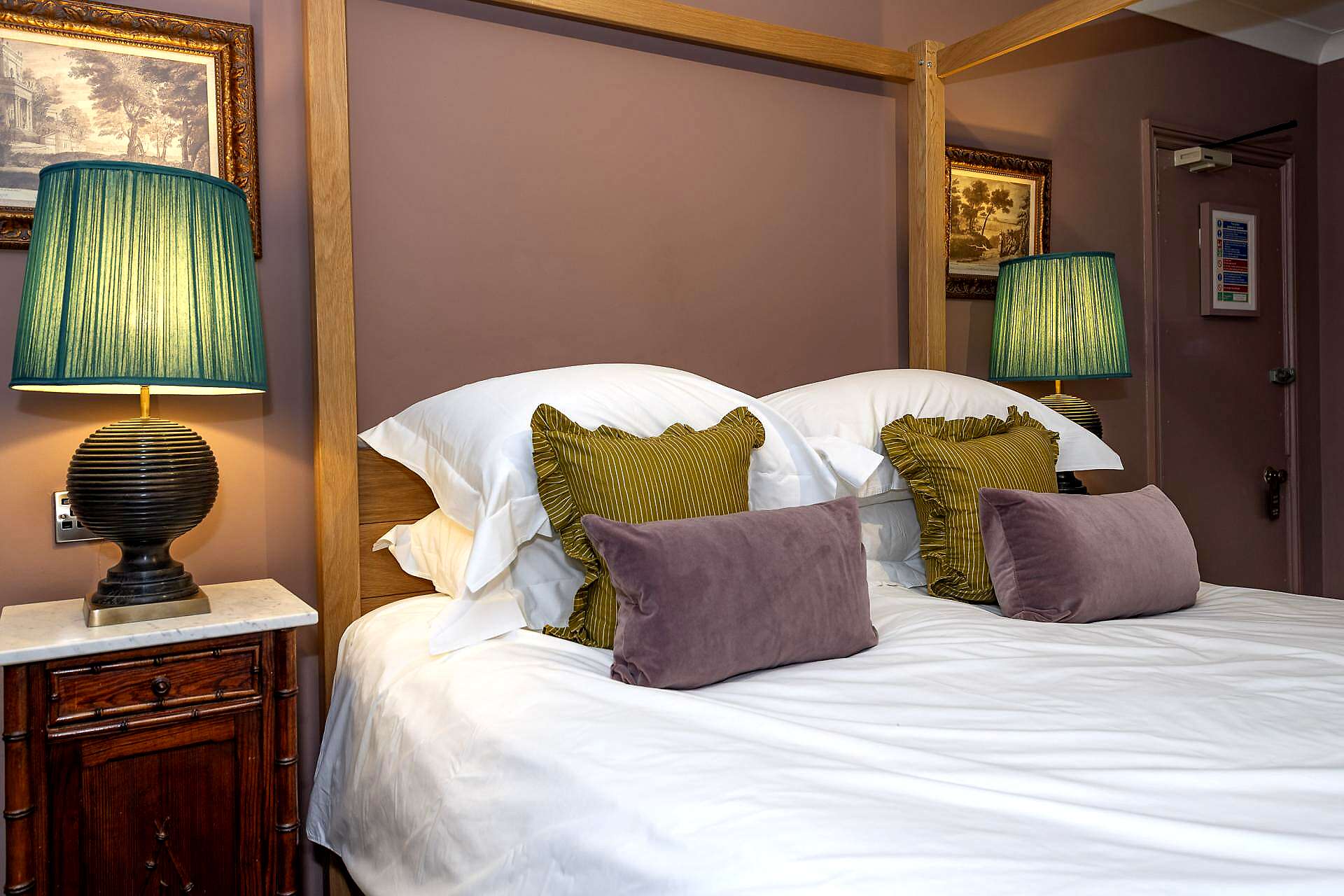
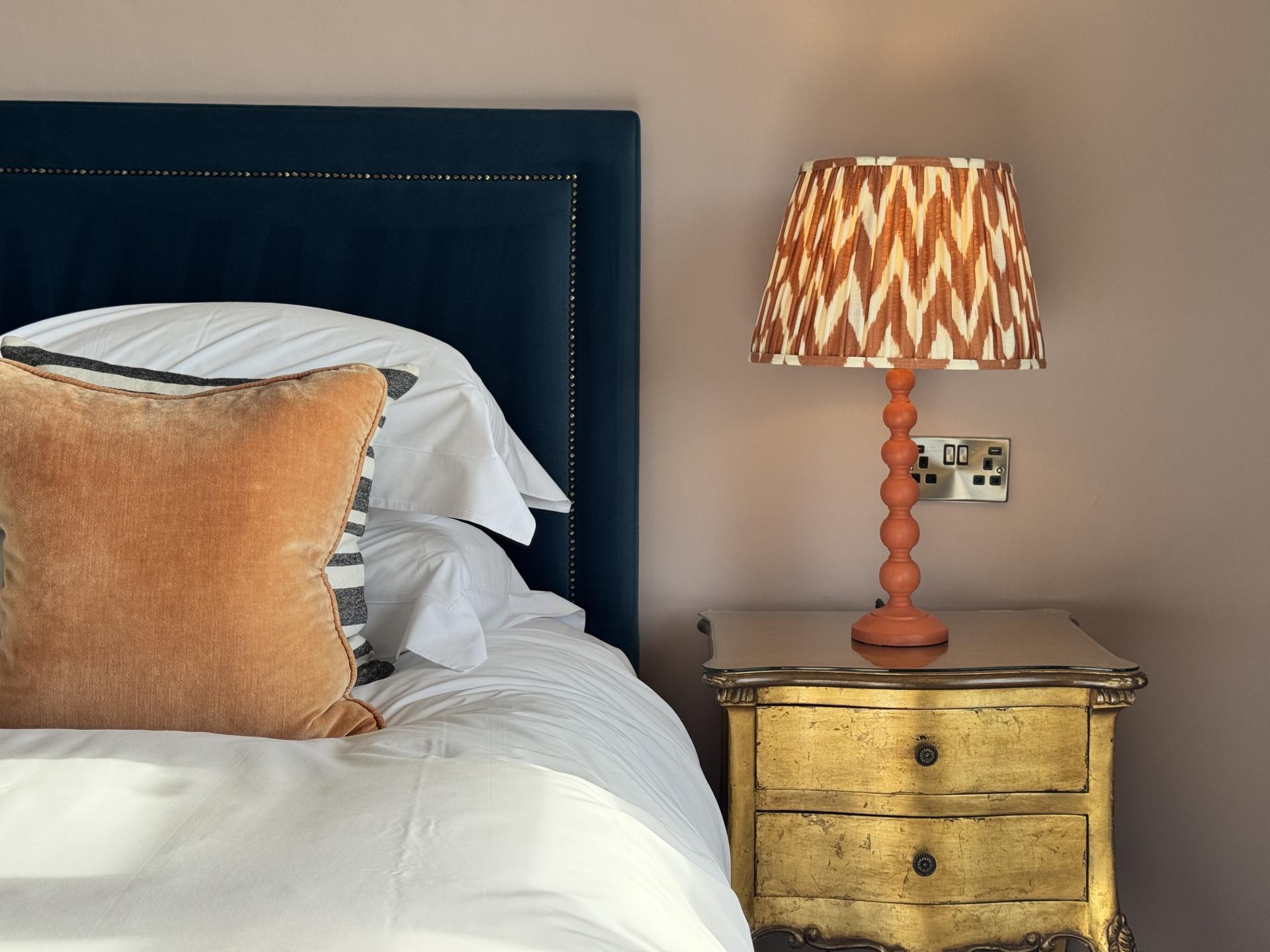
East Beach Guest House in Littlehampton sits right at the heart of it. Beachfront, boutique, dog-friendly, and part of a quiet revolution in the way people are choosing to travel. Across Britain, a new wave of design-led guest houses is replacing the identical hotel corridor with something far more interesting. Hosts who know the area. Rooms with genuine character. A welcome that feels like arriving at the home of a stylish friend. On the West Sussex coast, East Beach is one of the places leading that charge.

“The atmosphere was so relaxing,” wrote Sus after her stay. “A real gem.” Here is everything happening on this stretch of coast this spring.

Walk the World’s Longest Coastal Path: Right Here in Sussex

Earlier this month, something rather remarkable happened on the cliffs above the Seven Sisters. King Charles III officially inaugurated the King Charles III England Coast Path, the longest managed coastal walking route in the world, at a ceremony held in East Sussex. The 2,700-mile trail gives unprecedented access to England’s coastline, with 1,000 miles of new paths and significantly improved infrastructure throughout.

His Majesty walked two kilometres of the path, taking in the chalk cliffs and the famous coastguard cottages, before unveiling plaques to open both the trail and the new Seven Sisters National Nature Reserve, the thirteenth in the King’s Series of National Nature Reserves, protecting 1,500 hectares of precious coastal wildlife habitat.

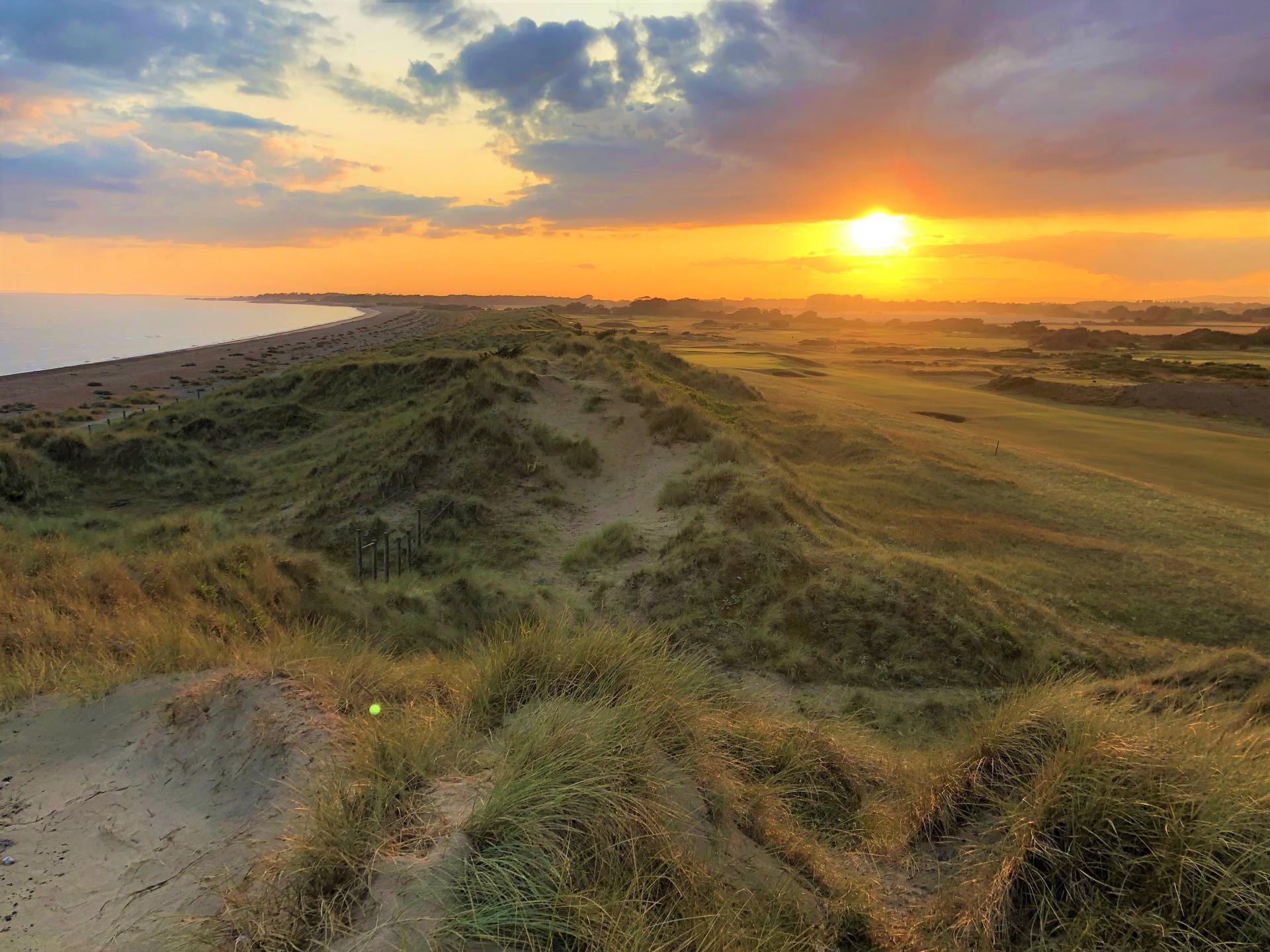
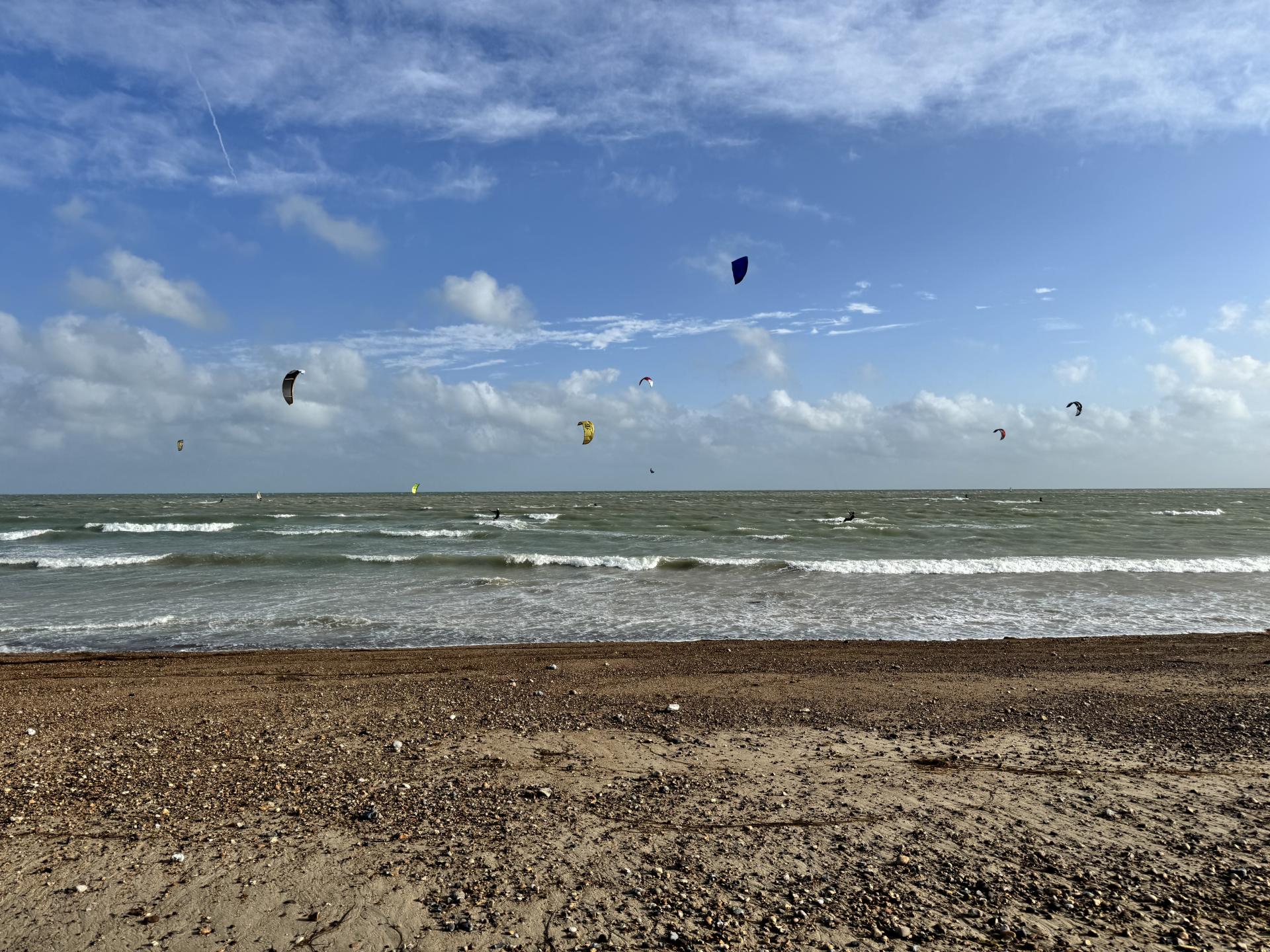
For guests staying at East Beach Guest House, this is wonderful news. Littlehampton sits beautifully positioned along the Sussex coast, and the Seven Sisters, just a short drive east, have never felt more worth the walk. The path launches a summer of events designed to encourage people to connect with the outdoors, improve their wellbeing, and discover England’s coastline

A Secret Bluebell Walk Worth Knowing About

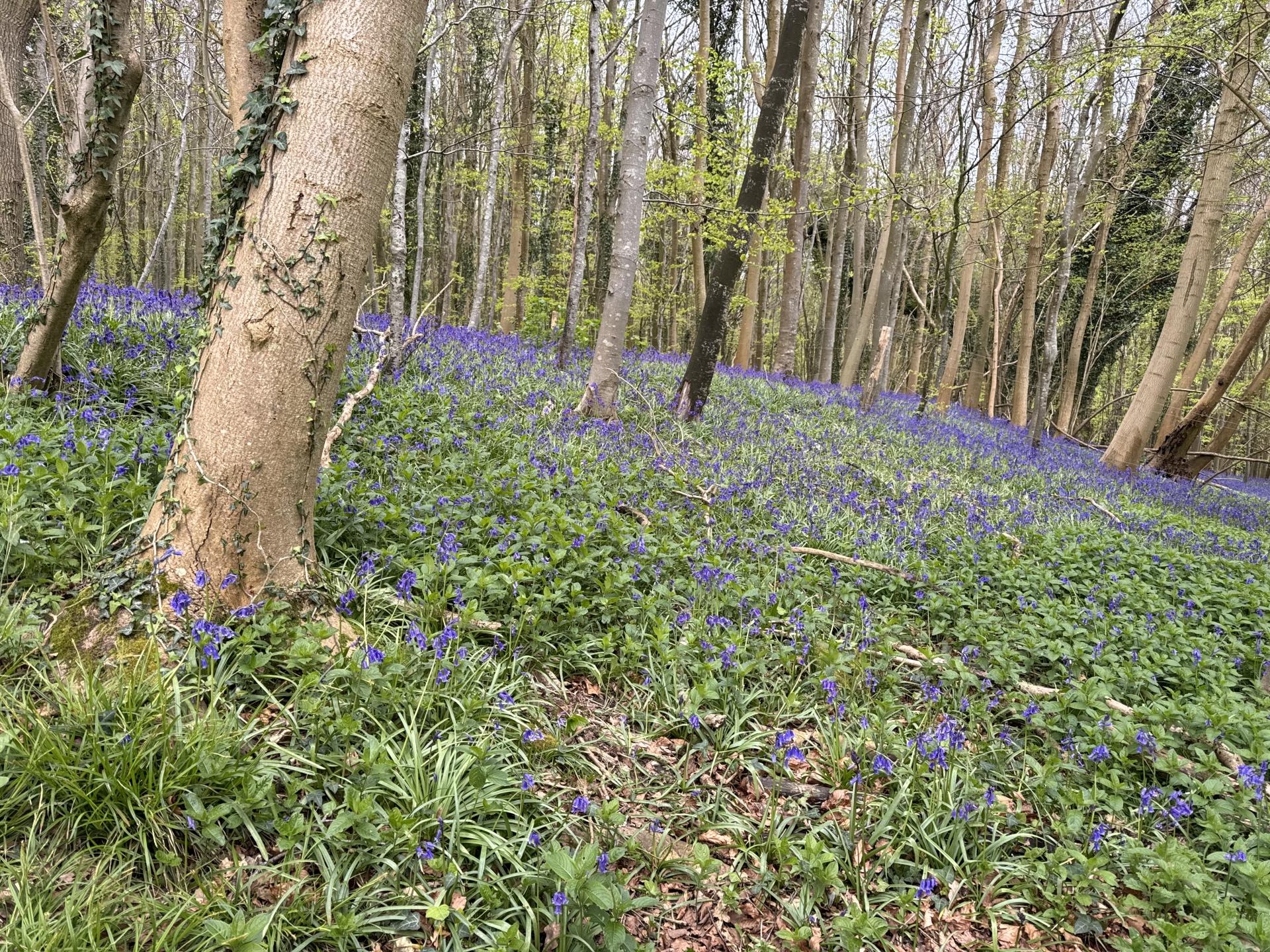
Spring in West Sussex belongs to the bluebells. And if you want to find the finest display in the county, we have a personal recommendation.

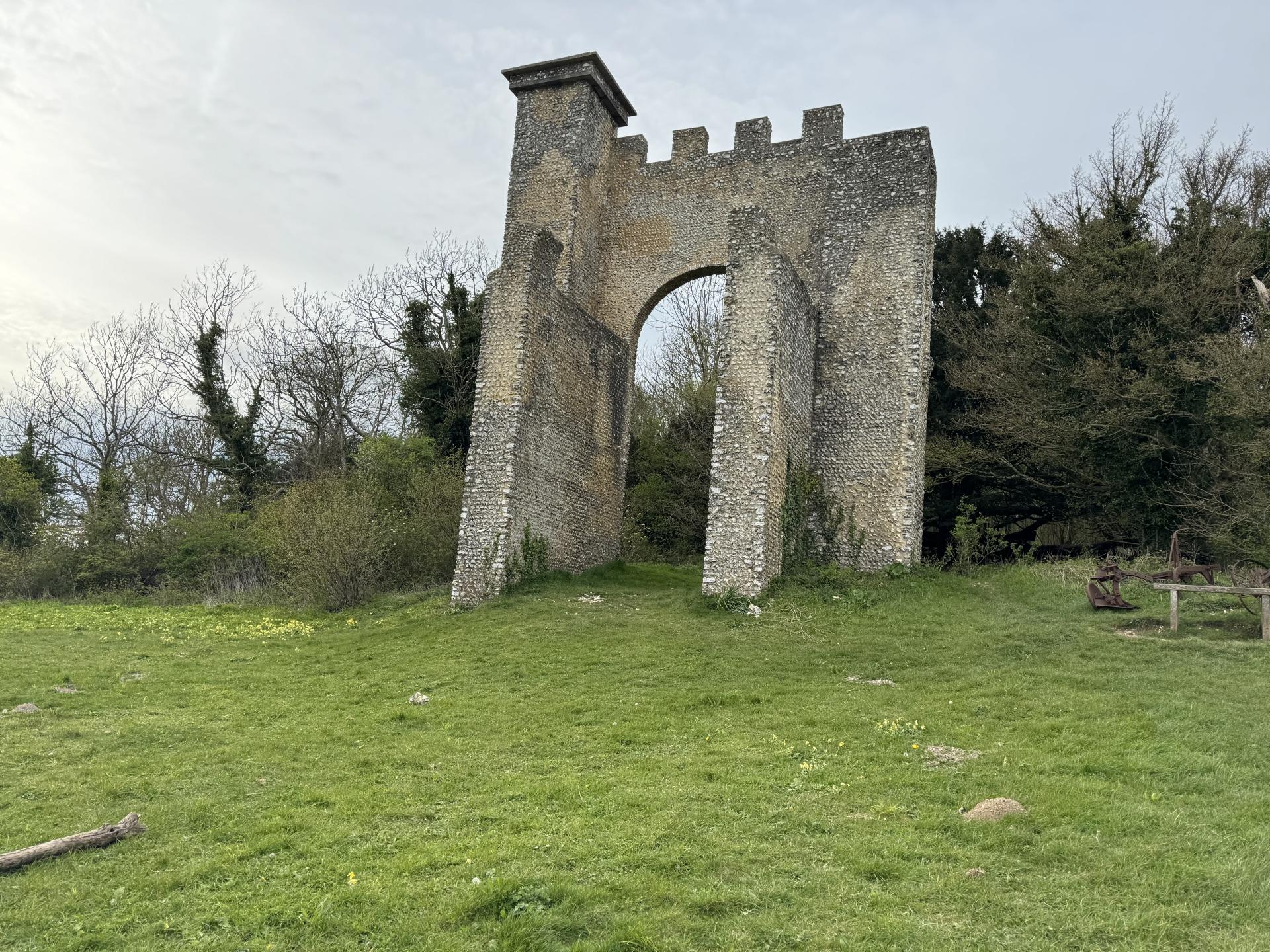
The walk to Nore Hill Folly from The George Inn at Eartham is one of the great spring walks in southern England. This 3.7-mile circular route through Nore Wood on the Slindon Estate, managed by the National Trust, leads through ancient and deeply quiet woodland past a Victorian pumphouse and up to the folly itself. Much of the route is overhung and shaded by beech, holly, yew and ash, making it perfect for warm days from spring right through to autumn.

The bluebell display here is known as one of the finest in Sussex. Look for the carpets of flowers spreading beneath the ancient beech trees from as early as mid-April, joined later by early purple orchids along Puck Lane, an ancient drovers’ track rising through the wood.

The folly at the top is worth the climb on its own. Built in 1814 for the Countess of Newburgh, who used the hilltop for picnic parties on her Slindon Estate, it is a Grade II listed flint structure with panoramic views across the coastal plain and out towards the sea. The Countess had excellent taste in picnic spots.

The walk starts and ends at The George Inn at Eartham, postcode PO18 0LT. Full trail notes are on the National Trust website.

Lunch at The Swan, Fittleworth

After the walk, make the short drive to Fittleworth and The Swan Inn. Originally founded in the 16th century from a building dating back to the 14th, The Swan has provided lodgings over the years for J.M.W. Turner, John Constable, and Rudyard Kipling. Named the South East of England’s Hotel of the Year 2025 by The Times, it has been beautifully restored with an ethos that is reliable, familiar and unfussy: consistently good food, great drinks and well-appointed rooms in a very well-loved setting. Low-timbered ceilings, open fires, and the kind of afternoon that makes the drive home feel very far away.

A bluebell walk and The Swan. That is a near-perfect West Sussex spring day.

A Coastal Icon Worth Knowing About: East Beach Cafe

Start your Littlehampton stay with a morning along the seafront and a visit to the East Beach Cafe. Designed by Thomas Heatherwick, the celebrated British designer behind some of the country’s most talked-about architectural projects, the building sits dramatically on the Littlehampton promenade, its sculptural timber form often described as resembling driftwood or a vast coastal shell. It has become one of the genuine landmarks of the West Sussex coast.

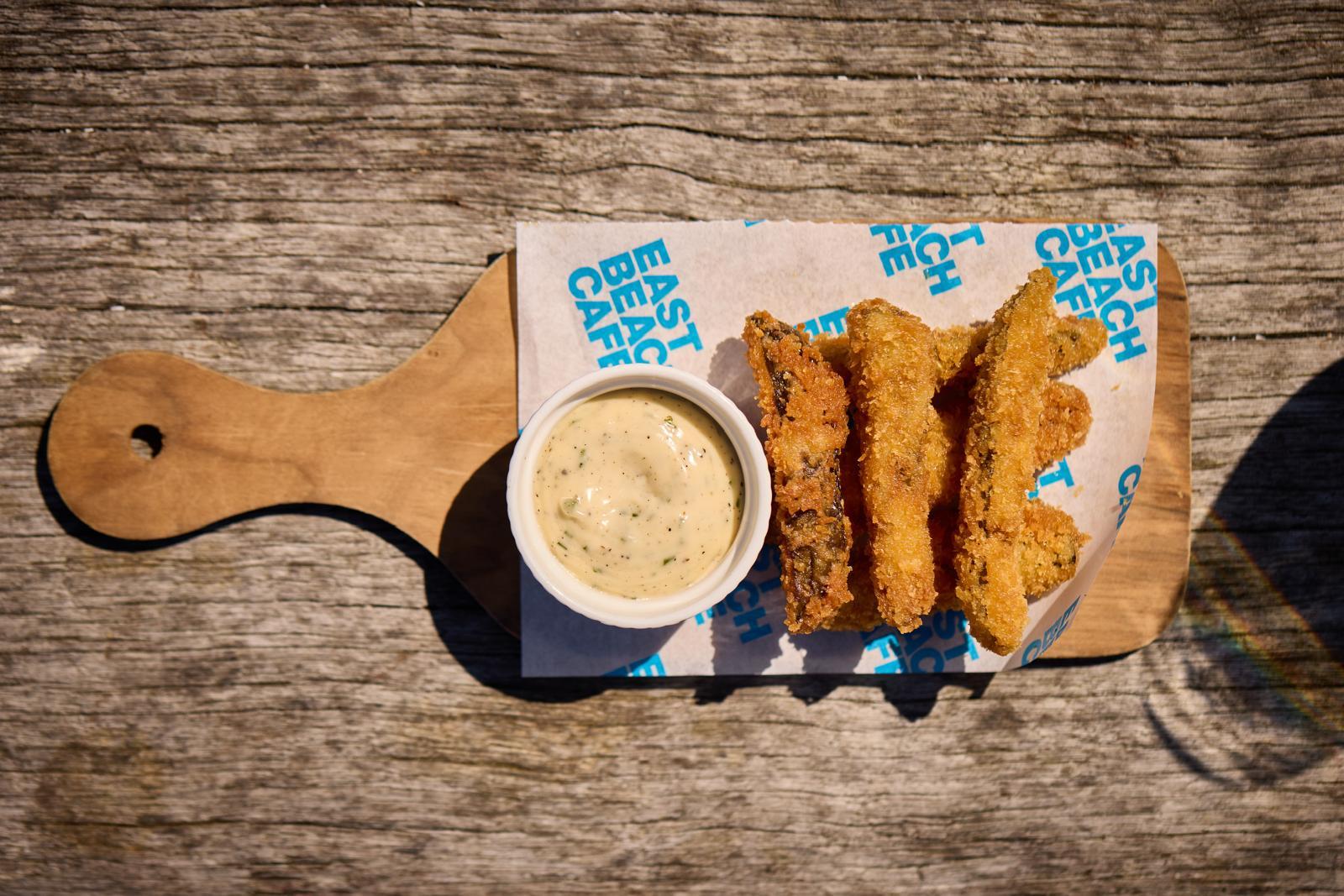
The kitchen focuses on simple, seasonal cooking in a setting that could not be more perfectly placed. Sit outside on a clear spring morning and the sea is right there, the light doing what it only does at this time of year. It is the sort of breakfast or lunch that sets a day up properly.

East Beach Guest House is a short walk away. Guests often head there first thing, before the rest of the world has quite woken up.

If you are planning a couple of nights on the coast this spring, our Seaside Taste Escape package is worth knowing about. Two nights at East Beach Guest House with our continental-style house breakfast included, plus a complimentary glass of English fizz per person when you order a main course at the East Beach Cafe. It has been one of our most popular offers and is only available when you book direct through the website.

Arundel Castle Tulip Festival 2026: One of Europe’s Great Spring Spectacles

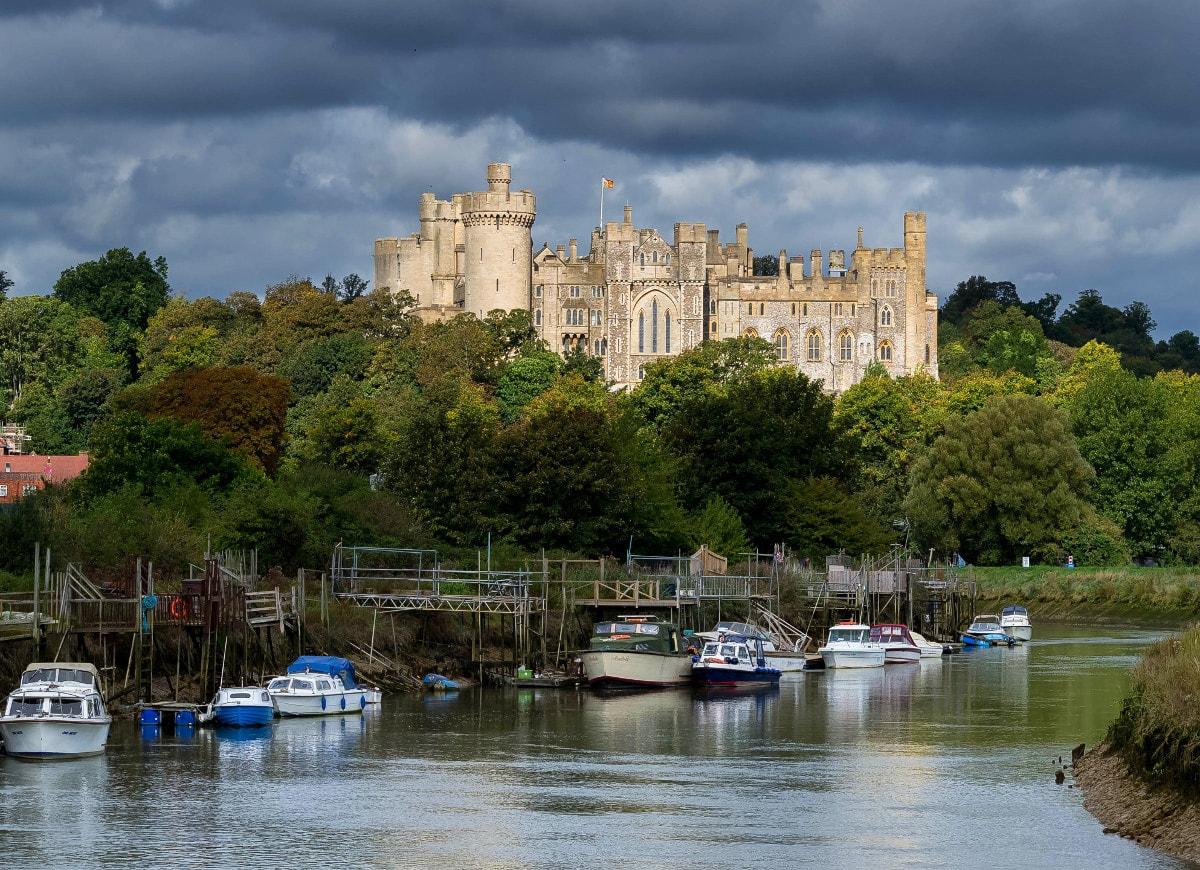
There are castles you visit once and feel you have seen all castles. Arundel is emphatically not one of those. A personal favourite, and the castle my parents return to year after year, it was their verdict after years of castle-scepticism that Arundel restored their faith entirely. Once you have seen one castle, you might think you have seen them all. Arundel will change your mind.

Built in 1067 by Roger de Montgomery, a cousin of William the Conqueror who was granted a third of Sussex on condition of building a fortress on the River Arun, Arundel Castle has passed continuously through the same line since 1138, carried by female heiresses from the d’Albinis to the FitzAlans in the 13th century and then from the FitzAlans to the Howards in the 16th century. It is one of the longest continuously inhabited houses in England, and it shows. The 3rd Duke of Norfolk was uncle to both Anne Boleyn and Catherine Howard, wives of Henry VIII. The 4th Duke lost his head for plotting to marry Mary Queen of Scots. There are Van Dycks and Gainsboroughs on the walls. The 2026 exhibition explores the relationship between Queen Victoria and four generations of Dukes of Norfolk, from her coronation in 1838 to her funeral in 1901. Allow three hours to do it properly. It rewards that time.

Then, every April, something extraordinary happens in the gardens.

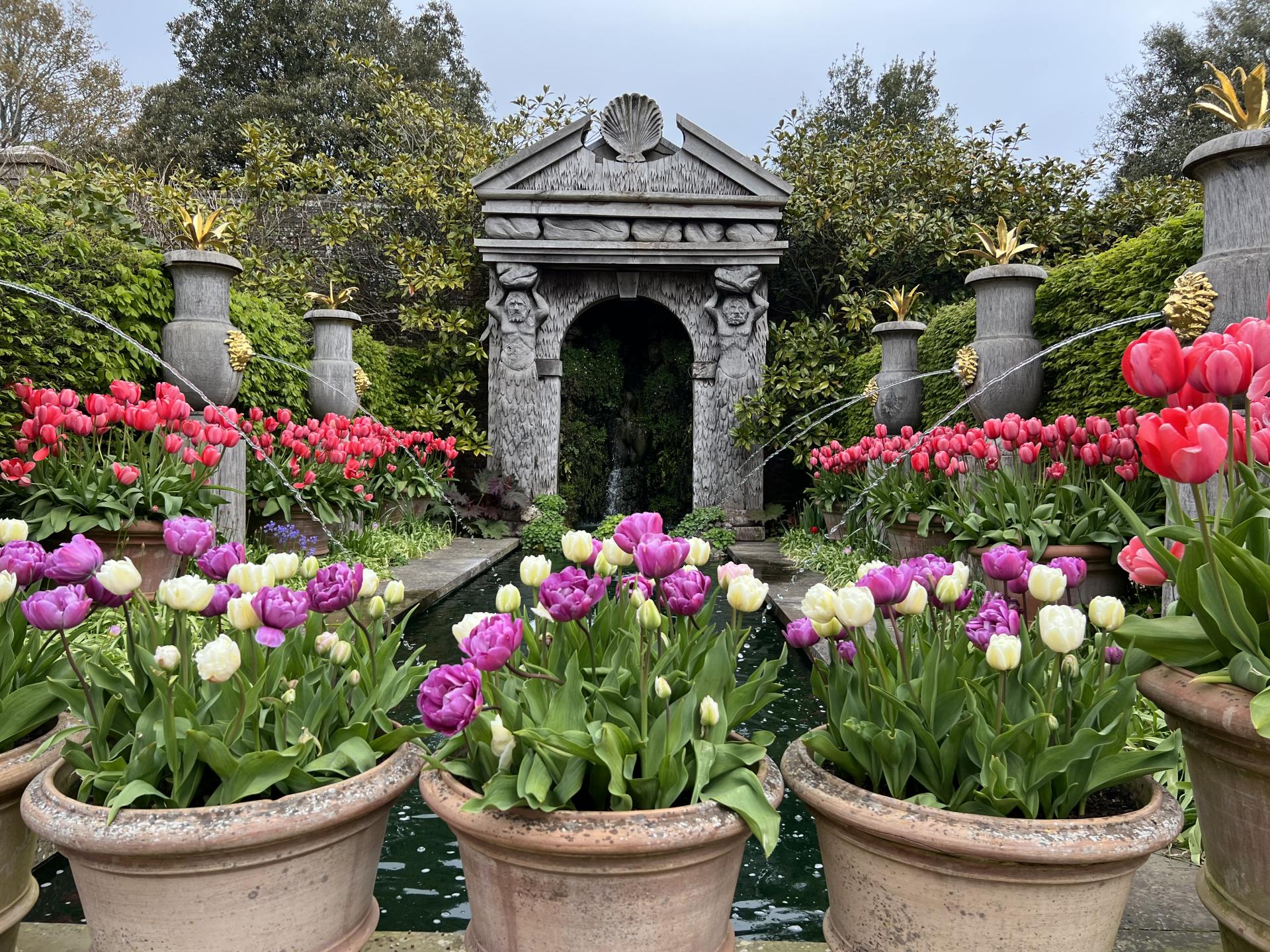
The Tulip Festival is regarded as one of the top tulip displays in Europe, set against the breathtaking backdrop of the castle. This year it features over 110,000 tulips across more than 120 named varieties, planted by award-winning Head Gardener Martin Duncan and his team. When Martin arrived in 2009 there were around 3,000 tulips. The festival now draws 40,000 visitors each year, with many travelling from around the world.

Walking through the display is one of the great spring pleasures of the south of England. Tulips are planted in precise geometric patterns in the formal gardens, creating bold blocks of colour against the castle walls. The White Garden offers a calmer palette of cream, pale pink and soft yellow. Beyond the formal areas, tulips appear throughout the wider grounds, with winding paths, lawns and historic walls creating beautiful backdrops. This year there is a particular highlight: 30,000 tulips, including the iconic Oxford Red, cascading down the castle’s ancient earthworks on the Steep Banks. The Tulip Festival opens on 1st April 2026, with the castle open Tuesday to Sunday.

One practical note: Arundel Castle is not dog-friendly. If you are travelling with a four-legged companion, East Beach Guest House is happy to recommend some beautiful dog-friendly walks nearby to keep them entertained while you explore.

The Secret Foodie Find: The Parsons Table

Tucked into a small mews just off the main street in Arundel, The Parsons Table is the kind of restaurant that regulars are quietly reluctant to share. Lee and Liz Parsons met at Claridge’s Hotel in London, where Lee was a rising sous chef and Liz was completing a management apprenticeship with the Savoy Group. Lee went on to refine his skills at Raymond Blanc’s Le Manoir aux Quat’Saisons before the couple moved to Arundel in 2015 to open under their own name.

The result is a Michelin Guide listed, 2 AA Rosette restaurant with a menu that changes with the seasons and a kitchen that lets the ingredients do the work. Reviewers consistently highlight exceptional fish cookery, a great-value set lunch, and the sense that you leave feeling that money was well spent. The patio comes into its own on warm spring days.

It is the perfect treat for mum, especially after three hours among the tulips. Book ahead. It is small, it fills up, and it is absolutely worth the effort.

The Foodie Find Everyone Will Be Talking About: The Black Horse, Amberley

You may know the Gladwin Brothers from their London restaurants: The Shed in Notting Hill, Rabbit on the King’s Road, Sussex in Soho. A group built on the founding belief that what grows together, goes together. This spring, they’ve come home.

Richard, Oliver and Gregory Gladwin have opened their first country pub, the Black Horse at Amberley in West Sussex, close to Nutbourne, the family estate and vineyard where they grew up. Following a thoughtful, light-touch refurbishment, the pub reopens with a lively bar, and a kitchen guided by what is grown, raised, and made locally.

Meat comes from the Gladwins’ own farm: Wild Brooks beef, vineyard lamb. Eggs sourced directly from the estate, bread baked in-house, the bar pouring local ales, English ciders, and Nutbourne wines. The pub sits just a 20-minute walk from Amberley station, between the river, the fields, and the gentle curves of the South Downs.

It is, by any measure, exactly the kind of place West Sussex needed. Combine it with the Arundel Castle Tulip Festival and a bluebell walk above the village, and you have a near-perfect spring Saturday.

Ready to make a weekend of it?

East Beach Guest House is ten minutes from Arundel Castle and the Tulip Festival, twenty minutes from the South Downs bluebell walks, and right on the seafront in Littlehampton. Dog-friendly, beautifully designed, and with a host who knows this part of West Sussex inside out.

“Rich was helpful, friendly and courteous from the booking until when we left. He booked us into a cracking restaurant locally,” wrote David. “The beds are comfortable, decor lovely throughout.”

“The most dog friendly guest house we’ve ever been to. Everything was perfect,” added Carly.

Could Littlehampton Become the UK’s First Town of Culture?

As chair of the Littlehampton Business Forum, I spend a lot of time thinking about what this town is becoming. And the Town of Culture bid feels like the moment we have been building towards.

The story of Littlehampton is really about a coastal town rediscovering its confidence. Historically it has always been connected to the sea and the River Arun, a working harbour, a seaside destination, a town that welcomed visitors. What is interesting now is that a new chapter is emerging. There is investment in the seafront. Independent businesses are opening and evolving. And there is a growing sense that the town is starting to shape its future more deliberately.

If Littlehampton becomes the UK’s first Town of Culture, the impact would be significant. The town already attracts a huge number of visitors to the coast each year, but many of those visits are short day trips. A Town of Culture programme creates more reasons for people to stay longer, come back again, and visit outside the summer peak. More events, more experiences and a stronger cultural identity means more footfall for independent shops, cafes, restaurants and hospitality businesses.

But the economic story is only part of it. When towns invest in culture, something really positive happens: people begin to feel more connected to the place they live. And that pride feeds directly back into the local economy, because vibrant towns are places where businesses want to invest and people want to spend time.

“Culture isn’t just about arts venues. It’s about the whole life of the town. It’s about heritage, food, festivals, independent businesses and the stories of the people who live here. When those things come together, you create a place people are proud of and that visitors want to experience.”

Littlehampton already has the ingredients: the coast, the river, a strong community and a growing independent business scene. The Town of Culture bid is about bringing those strengths together.

We are waiting on the first stage result. We will share news the moment it comes. And if the answer is yes, we suspect rooms will fill rather quickly.

The First Arts & Crafts Festival: Built by the People Who Call This Town Home

This spring marks the first Arts & Crafts Festival in Littlehampton, and what makes it genuinely worth your attention is the story behind it. This is not a corporate event dropped into a seaside town. It has been built from the ground up by the independent makers, artists, and small business owners who have been quietly investing in this place for years. Many of them work together through the Littlehampton Business Forum, with a shared belief that creativity changes a town.

Sam, who owns Magpies & Butterflies and is the organiser of the whole festival, is the person who made it happen. Her shop offers something you will not find in any supermarket: handmade bath bombs, sensory bottles, and fragrances including pumpkin spice and Parma Violet shower gel, made in small batches and stocked in fours rather than thousands. She makes the case for independent businesses with a directness that is hard to argue with.

“People don’t always look for the small independent businesses, and they really should. We may be more expensive than supermarkets, but we make or stock four of an item at a time, not four thousand.”

On what the festival offers visitors, Sam is equally clear.

“Come and have a look at all these little independent shops and businesses. We all know towns are not what they used to be, but we’re trying. Without your support we can’t be here, and this could be a great opportunity to come and see us, and visit our beautiful harbour and beach.”

The festival itself spans a market marquee, hands-on workshops, demonstrations and a craft trail across the town. Sam’s own workshops include bath bomb painting and sensory bottle making, the kind of afternoon that works as well for adults as it does for children.

Daina, of DainaArt Studio, where pottery painting and art classes have built a loyal community of their own, describes the festival as something larger than any single event.

“For me and my studio, it means connection: with other businesses, with the community, and with new people who may not have discovered us yet.”

“Creativity is at the heart of everything I do, from teaching art classes to creating handmade ceramics. Craft brings people together, helps both children and adults express themselves, and supports wellbeing.”

And then there is Susana, who opened Birds of Paradise, a Portuguese deli, in one of the town’s arcades. She sells delicious sweet Portuguese treats to taste in the shop, alongside carefully chosen deli produce. Her view on the festival is direct and warm.

“Littlehampton has a lot of small independent businesses and many of us do arts and crafts of some sort. Now we can all work together.”

On what makes the town’s independents special, she is equally straightforward: the shop owners are friendly, always upbeat, and ready to welcome you in. It is a quality that is easy to underestimate and impossible to manufacture.

The festival runs across the Easter school holiday fortnight, with events and activities beyond the craft programme making it a genuinely good reason to bring the family to the coast for a few days. If you are staying at East Beach Guest House this spring, it belongs on the itinerary.

The Harbour & the Sea: The Oysters Are Coming Back

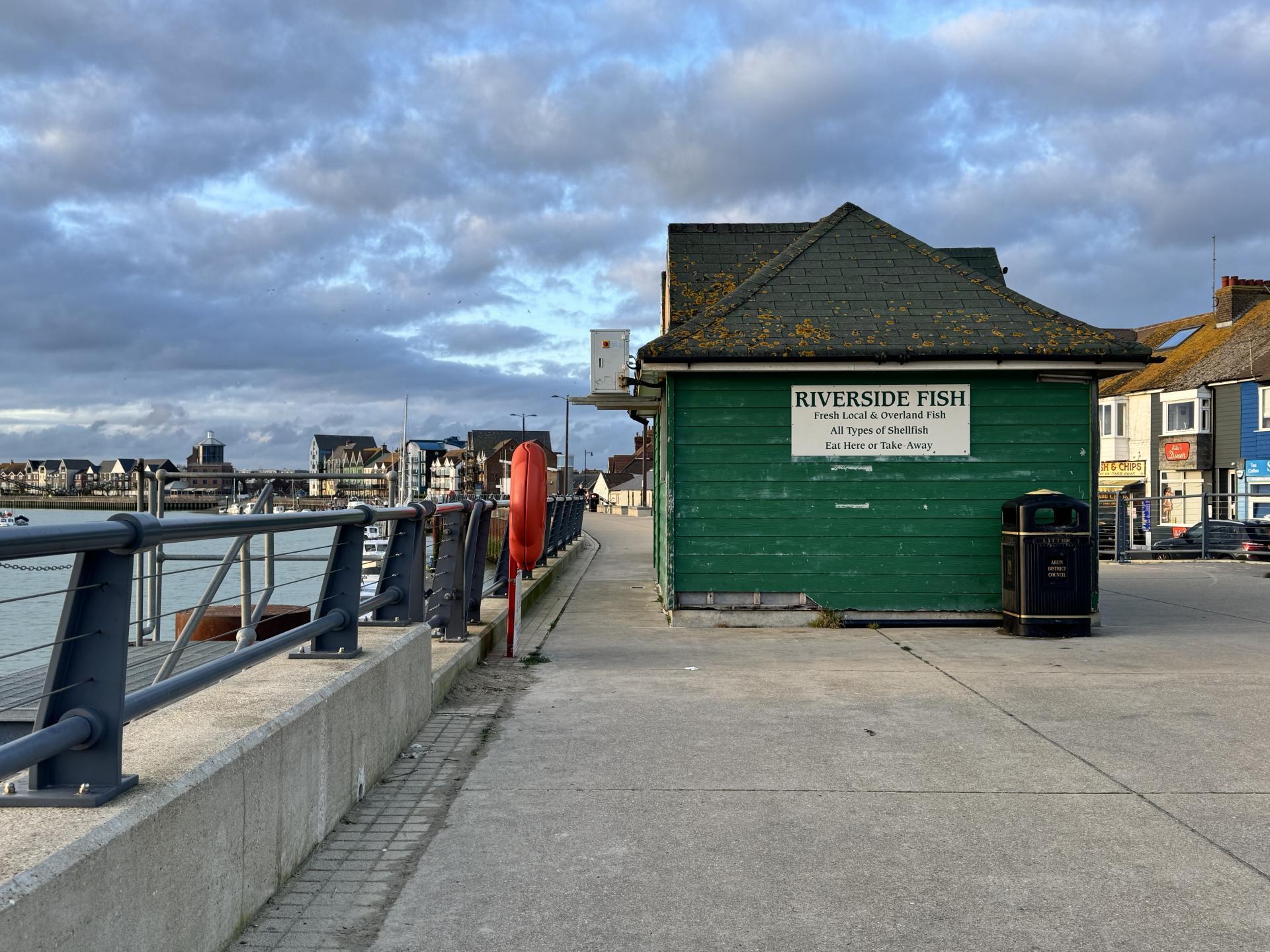
There is something quietly thrilling happening beneath the surface of Littlehampton Harbour. Since February this year, the harbour has become one of eleven carefully selected sites chosen by Harbour Oysters, a sister-led initiative that is doing something both practical and quietly poetic: bringing native oysters back to the waters where they once thrived.

Lottie and Poppy Johns grew up around Chichester Harbour and the Solent, and watched the water quality decline over decades. Lottie is a master marine biologist and oceanographer with nearly twenty years of experience in large-scale marine operations worldwide; Poppy works professionally in marinas and harbours along the south coast. In 2023, they combined their expertise and began investigating whether native oysters, once abundant in these waters but now severely threatened, could serve as a nature-based solution to polluted coastal environments.

The method is elegantly simple: baskets of native oysters (Ostrea edulis) installed beneath pontoons and jetties, filtering the water and rebuilding the biodiversity that has been quietly disappearing for generations. A single oyster can filter up to 200 litres of water a day. In number, they are one of nature’s most effective tools for coastal recovery, improving water clarity, reducing pollutants, and creating the kind of complex seabed habitat that fish, crustaceans, and marine life depend on.

They began in February 2025 with 4,000 oysters installed at Emsworth, a town whose own oyster heritage was lost long ago. Littlehampton Harbour is now among eleven new sites added this February, with more in development.

It connects to a history worth knowing. In 1824, a large natural oyster bed was discovered at Littlehampton, believed to have drifted from beds further along the coast, settling somewhere undisturbed enough to grow. Those beds were dredged to extinction within decades. Two centuries on, the oysters are being invited back.

It is a small project with a long memory, run by two women who know these waters intimately. I think it’s one of the most interesting things happening on this stretch of coast right now.

Your Base for All of It: East Beach Guest House, Littlehampton

Everything in this guide is within easy reach of East Beach Guest House. We are beachfront, boutique, and right in the heart of a town that is having its moment. The Arundel Castle Tulip Festival is ten minutes away. The Nore Hill bluebell walk is twenty. The Black Horse at Amberley is half an hour. The Arts & Crafts Festival, the harbour, the sea: all on your doorstep.

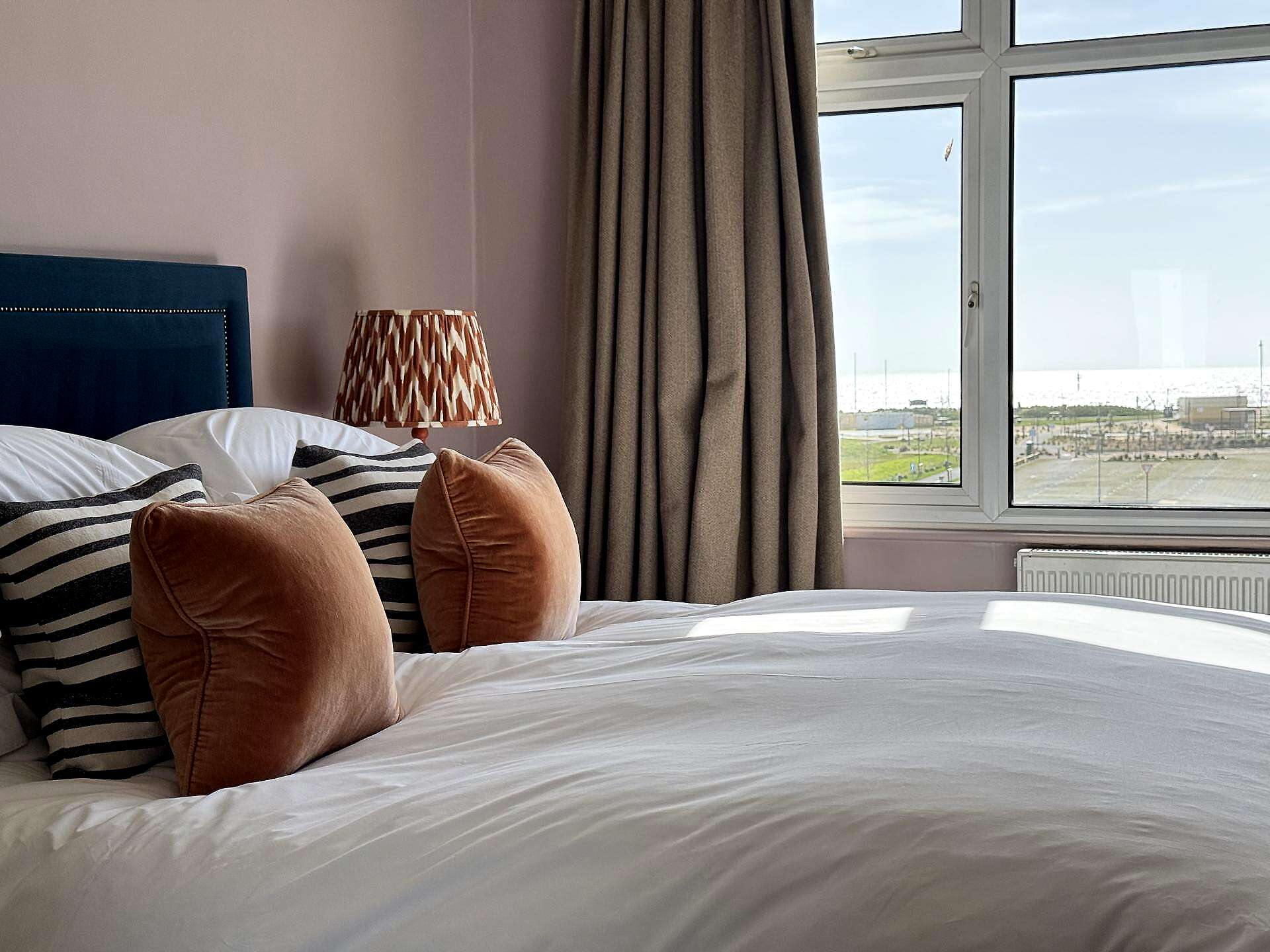
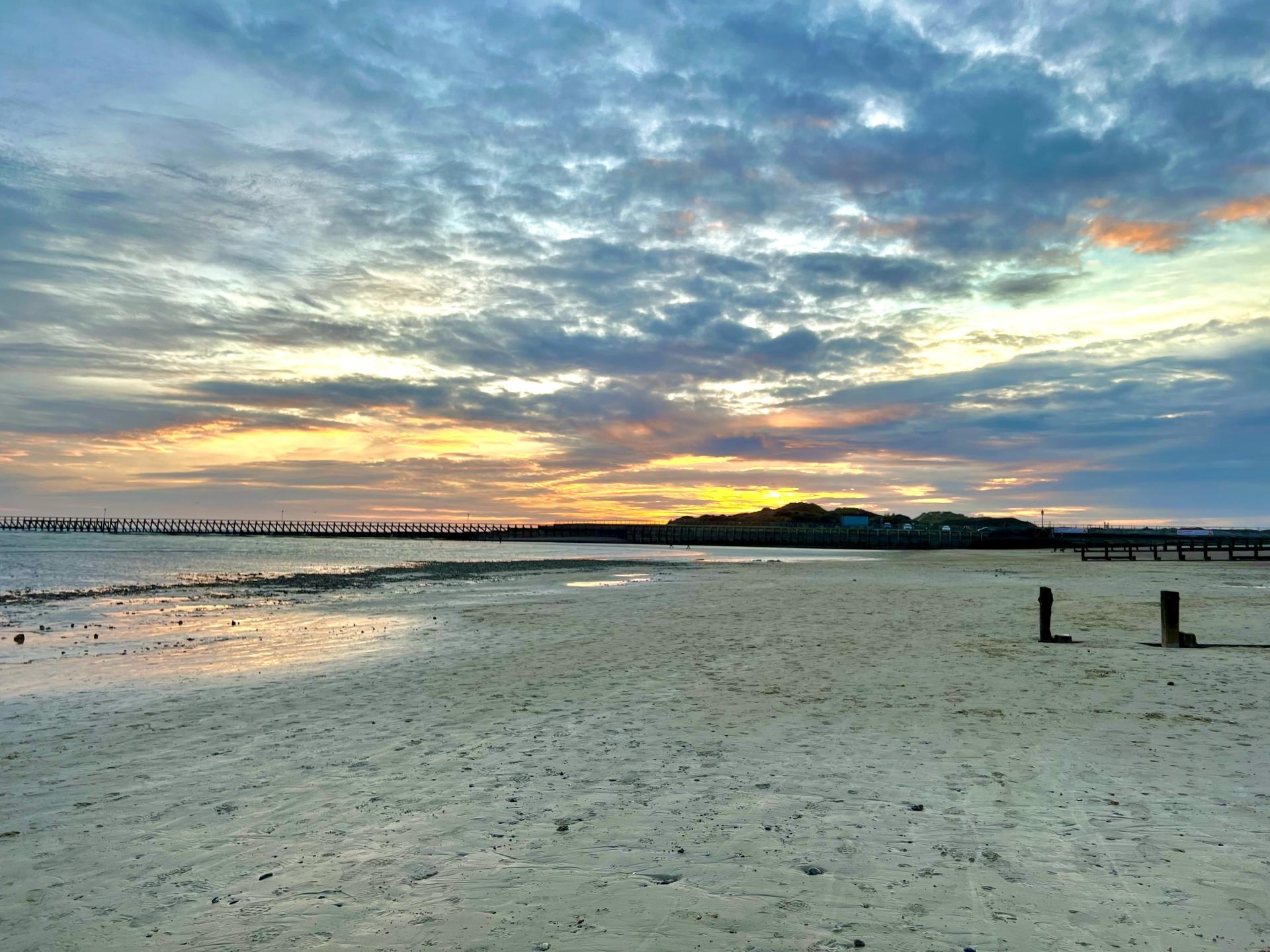
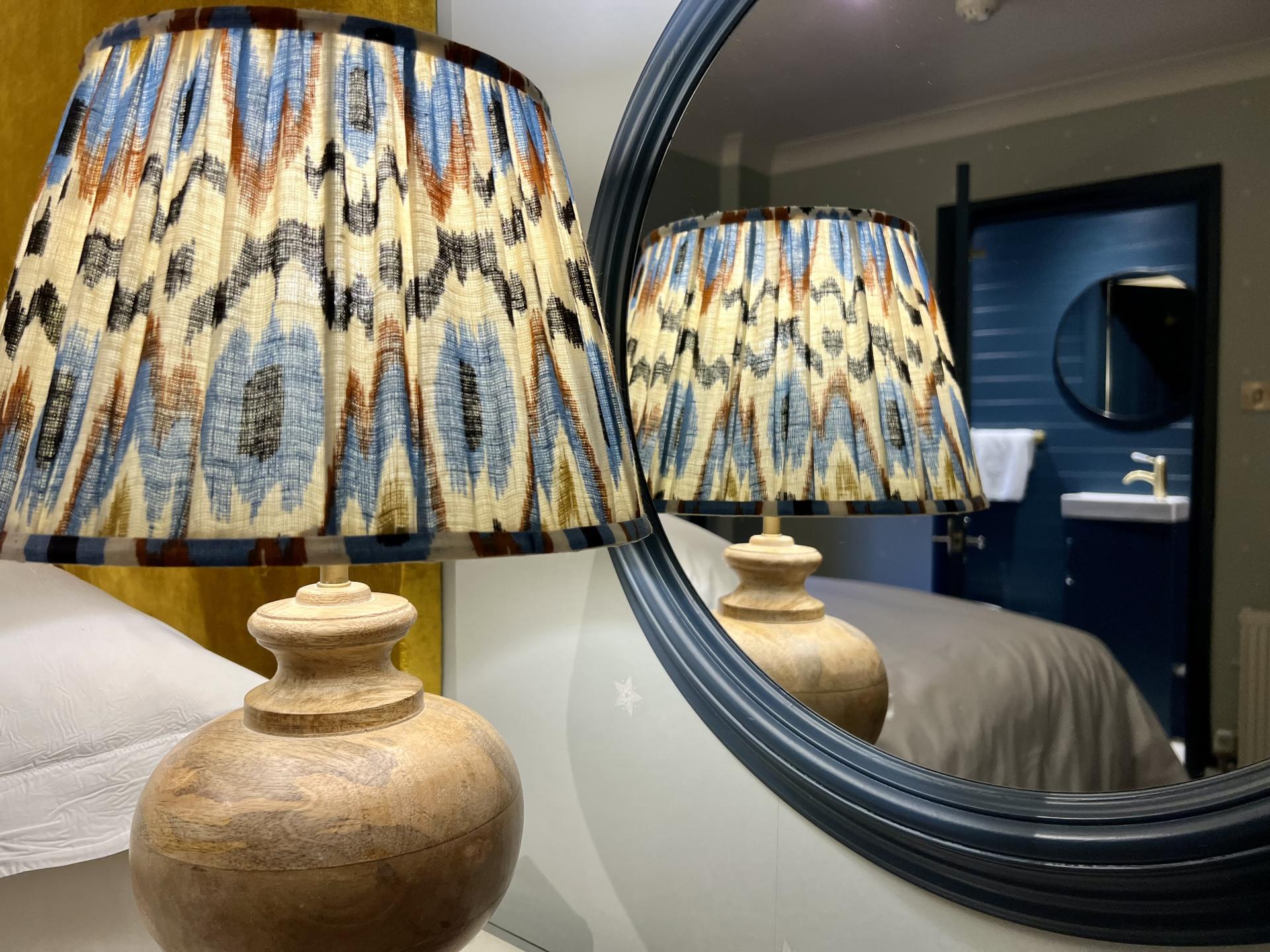
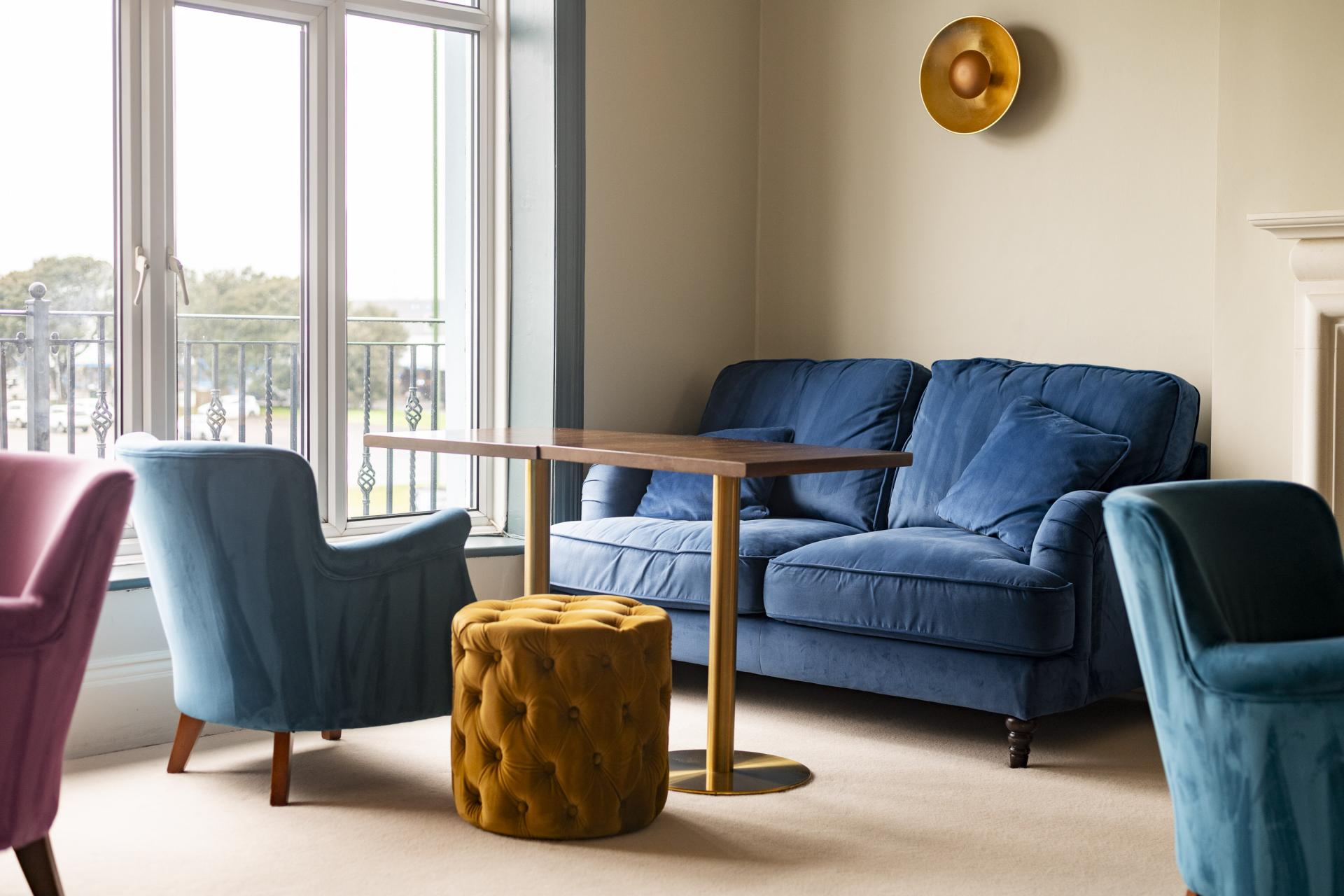
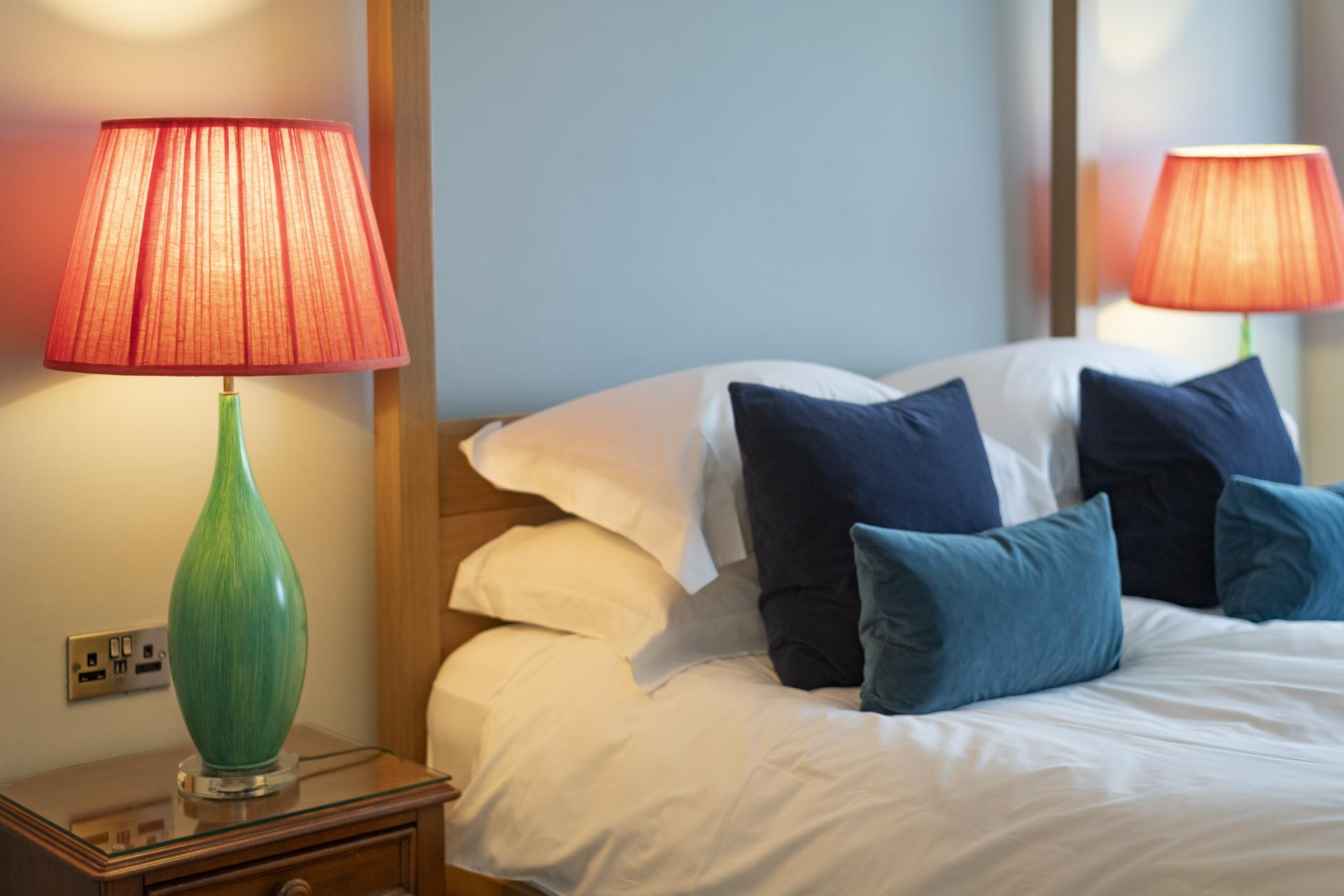
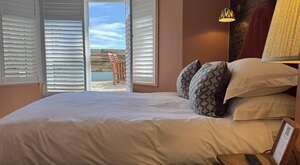
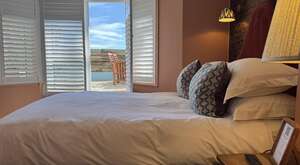
The Home Suite Beachfront is our most popular room for longer stays, with its own fully fitted kitchen for guests who want the ease of self-catering alongside full guest house service. The Deluxe King Room with Sea Views looks directly out to sea, ideal for watching the sunset and the fishing boats returning with the daily catch. All rooms are dog-friendly, with a dedicated guest lounge and room service breakfast available for guests travelling with four-legged companions.

“Beautifully decorated, lovely spacious bedroom with a bathroom not out of place in a top hotel,” wrote Maggie. “Great to have the added bonus of a lounge for us to come back to and sit together with friends.'”

“Amazing experience from start to finish,” said Deborah. “Lovely property, decor amazing and great service and friendly hosts.'”

“Super host, nothing was too much trouble,” wrote Shellie. “Tastefully decorated room with a super comfy bed. The lounge is a really great space. Would definitely stay again.'”

After a day of walking the Downs or wandering the Arundel tulip gardens, guests return to the lounge with its sea view, perhaps with a glass of Bacchus from nearby Stopham Vineyard, whose 2023 vintage carries bright notes of grapefruit and fresh citrus. It is the sort of simple pleasure that reminds you why the great British guest house still holds such enduring appeal.

One final thought: East Beach Guest House was named Best Boutique Stay at the Muddy Stilettos awards, beating some of the finest small hotels in the South East, and consistently ranks among the top places to stay in Littlehampton on TripAdvisor. Booking direct through the website always brings the best experience. Best available rates, direct contact with the hosts, and personalised recommendations before you even arrive. Because the best boutique stays are not defined by digital check-ins or identical rooms. They are defined by people, place and hospitality.

Spring weekends are filling. If this guide has made you want to book a few nights by the sea, do not leave it too long.